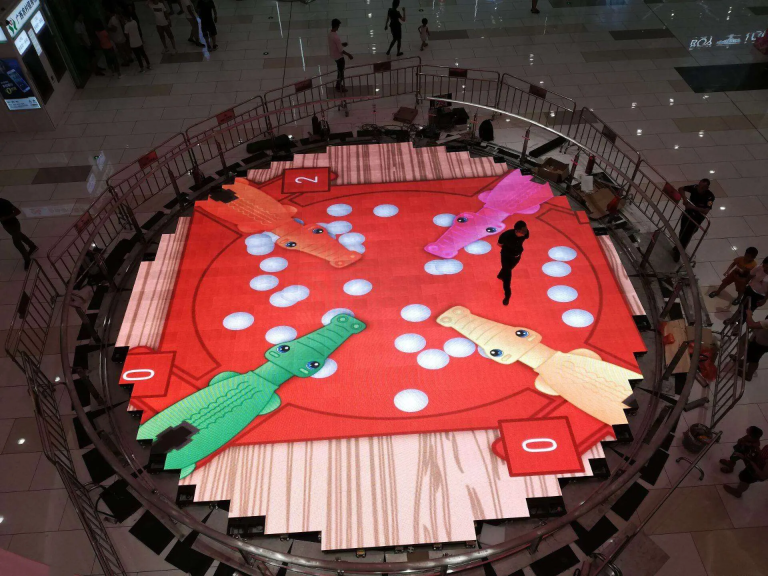
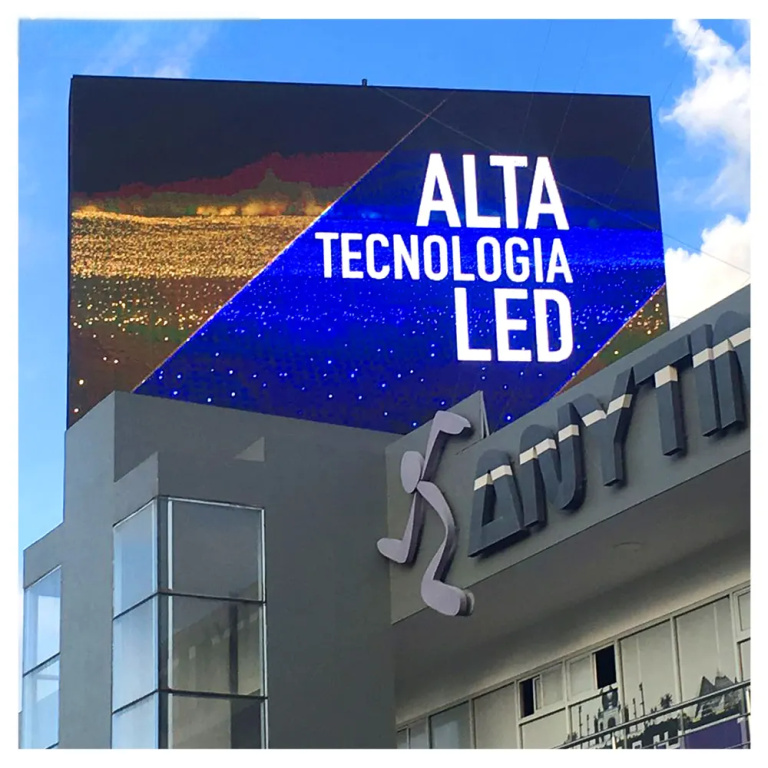
LED Electronic Screen | High Definition Display Solutions to Light Up Your Every Moment

How to choose the right LED rental screen for you?
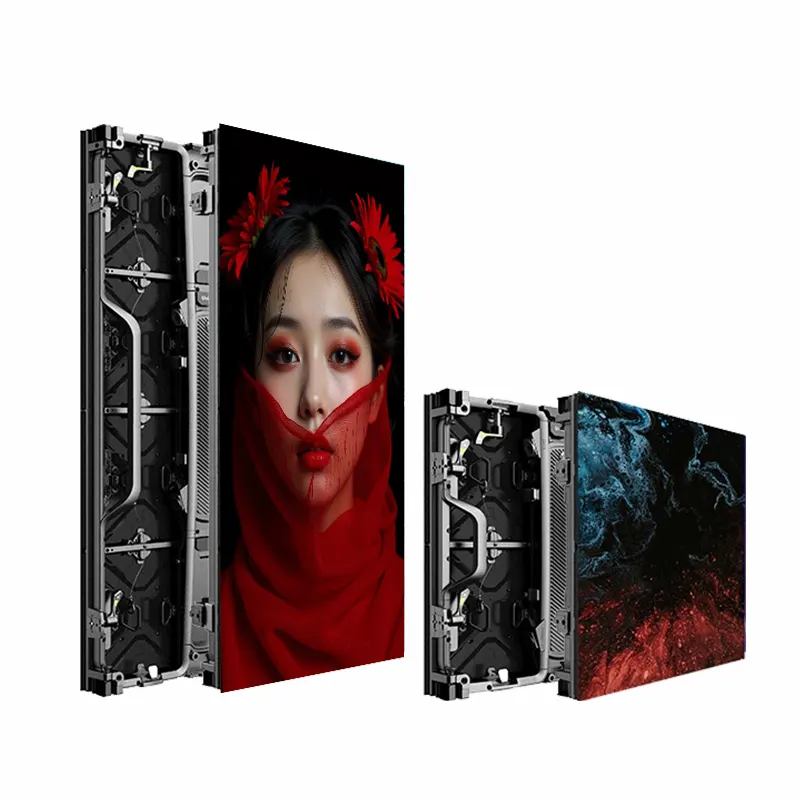
An LED rental screen is an indispensable piece of equipment when it comes to elevating the quality of an event, and rental screens play an essential role. But due to an array of rental screen models with differing parameters such as pixel pitch, brightness, refresh rate, and protection rating, choosing an unsuitable product could result in subpar performance or additional expenses. Finding the ideal rental screen doesn’t need to be a guessing game either – focus on three core elements: “scenario matching + parameter adaptation + supplier reliability” to select an accurate solution tailored towards your event!
Step 1: Understand your specific scenario and requirements first to avoid making hasty decisions on products.
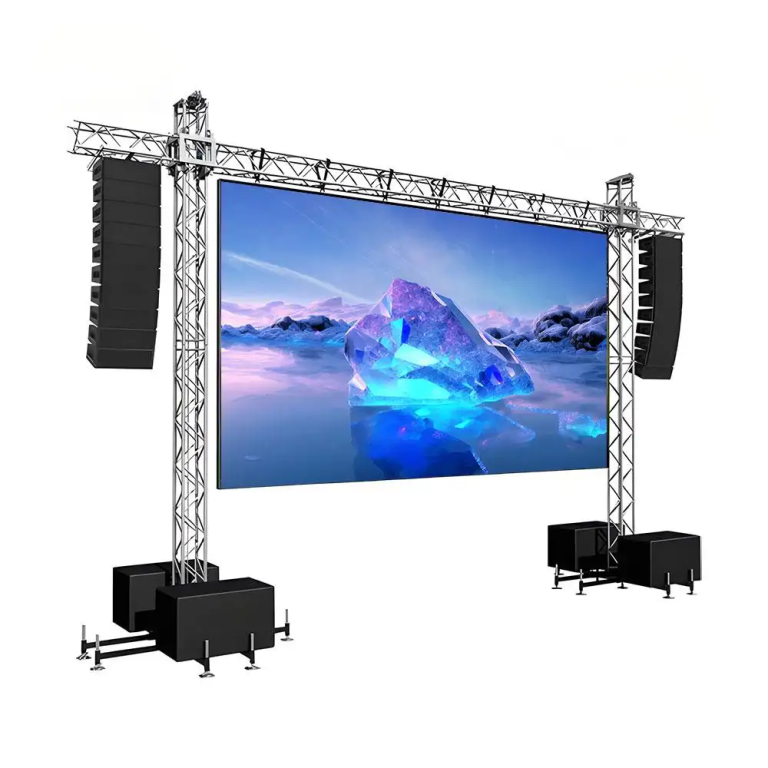
Before choosing a rental screen, first establish its use case and purpose – simply going for high specifications or low prices may not always be appropriate, as needs can differ depending on the circumstances of each situation. Indoor events (annual meetings, press conferences) must prioritize clarity and color reproduction over over-brightness and reflections, and stage models must support quick assembly/disassembly/splicing; outdoor uses (open-air shows, ads) require “durability + visibility”, with high brightness levels, robust protection measures, and wind-resistant structures designed to prevent malfunctions. Calculate viewing distance and screen size using this formula: minimum viewing distance pixel pitch value multiplied by 1000 (e.g., P3 for three meters indoor viewing, P6-P10 outdoor), then scale based on venue 16:9 ratio or custom irregular sizes for stages with irregular surfaces. Clarify content and shooting needs: select screens with P2-P4 P values for HD videos/text, opt for live streaming with >=1920Hz refresh rates (3840Hz recommended) to avoid flicker, and use medium specs for simple dynamic visuals. Furthermore, take installation timeliness into account: lightweight units (15kg or under per cabinet) featuring magnetic splicing support can allow one-person operation even on tight schedules, with flexible support available for splicing irregular sites.
Step 2: Determine Key Parameters and Accurately Match Requirements.
Targeted parameter selection after clarifying needs can help avoid up to 80% of potential pitfalls – focus on six core specs without complex terminology as an effective approach.
Pixel Pitch (P-value): Determines clarity; smaller P-value = denser pixels and increased cost; For optimal clarity, select P2-P4 indoor (1-5 meters), P4-P6 (5-10m/outdoor 5-15m), and P6-P10 (30+).
Brightness (nits) should range between 1000-3000 indoors, 2000-4000 for stage performances, >=5000 outdoors, and >=6000 for strong light; for maximum energy efficiency, auto-dimming should be preferred for energy savings. Refresh rate must exceed either 1920Hz (without recording/live streaming) or 3840Hz (recording/live streaming) to avoid flicker.
Weight and Structure: Indoor IP Rating is IP54; Outdoor (IP66+); and Coastal Rainy Dusty Areas require IP67 or higher ratings for protection from coastal environments/rain/dust storms/duststorms. Weight/structure units 15kg are designed with magnetic splicing/front maintenance features for quick assembly indoors, while lightweight yet structurally sound models allow outdoor hoisting applications.
Contrast and Color Gamut: For sharper details, increase contrast; >=70% of NTSC gamut offers vibrant colors (ideal for videos/images).
Step 3: Choose reliable suppliers and avoid hidden risks.
Purchasing the appropriate product is only half of the equation: selecting reliable suppliers can help solve many other issues related to installation, debugging, and after-sales service – helping prevent disruptions at events. Look at case studies and reputation for your selection process. Prioritize suppliers who can demonstrate successful case studies in similar scenarios, with a preference given to providers that can offer on-site demonstrations or videos to demonstrate their efficacy intuitively. Also, check user reviews to gauge service response speed and troubleshooting capabilities. Second, verify the support capabilities of the supplier. See whether or not they provide spare modules covering 5-10% of the screen area so as to eliminate delays caused by replacing defective modules on-site. Confirm whether they offer 24-hour response and on-site technical staff – essential when managing complex events – as well as transportation, hoisting, disassembly/removal services included within their contract to prevent extra charges later. Furthermore, ensure your agreement covers everything required. Before signing the contract, be sure to specify all essential terms such as rental duration, cost breakdown, fault compensation standards, division of responsibility for disassembly/removal, and acceptance standards (e.g., defective pixel rate =0.1%) to prevent future disputes and ensure on-site acceptance is possible. Ultimately, on-site acceptance should always occur before installation of equipment. Once at its destination, a screen must be turned on and run continuously for over 2 hours in order to identify dead pixels, color differences, seams, flickers, as well as stability of brightness adjustment and signal switching. Only after all issues have been addressed can acceptance agreements be signed off on.
Finding a rental screen should not be about selecting the most expensive solution; rather, focus on selecting the most suitable screen. Start by clearly outlining your event scenario, viewing distance requirements, content requirements, and core parameters such as pixel pitch, brightness, and refresh rate before searching out reliable suppliers to create an exact match – guaranteeing both event effectiveness and cost control at once! This three-step approach ensures a perfect match, guaranteeing both cost control and event effectiveness – no detail too small matters at an event; stability and compatibility directly influence success or failure, so spending more time analyzing needs before placing orders will bring more peace of mind than blindly placing orders without prior thought or deliberation!
Supplier of LED rental screen
Shenzhen Zhongxian Beixin Technology Co., Ltd. is a high-tech company that is located in Shenzhen, Guangdong Province, specializing in the research and development, production, marketing, and professional services of LED application products and providing various LED display integrated solutions for control rooms, commercial advertising, architectural industries, stadiums, churches, and many other applications.
If you need a high-quality LED display, please feel free to contact us. You can click on the product to contact us. (https://www.leyardleddisplay.com/contact-us/)
Exhibition Hall of Made-in-China.com: https://zxbx371.en.made-in-china.com/