LED Electronic Screen | High Definition Display Solutions to Light Up Your Every Moment

LED Rental Screen: A Comprehensive Analysis of Pros and Cons
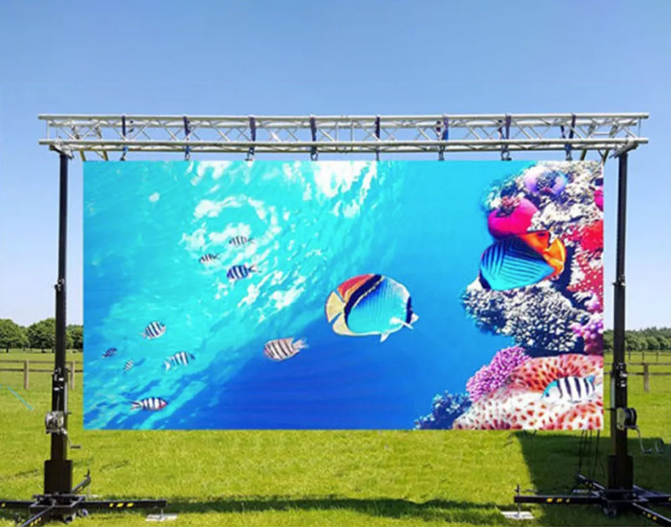
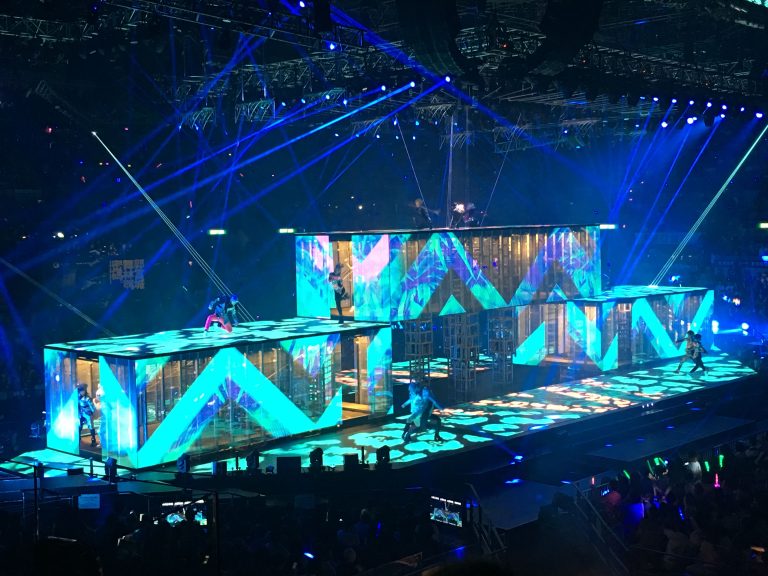
LED Rental Screen plays an integral role in commercial settings like performances, exhibitions, roadshows, and sporting events due to its versatile applications. Performance impacts profitability, customer reputation, and market competitiveness of rental businesses; thus, this article analyzes their benefits and possible drawbacks across four core dimensions – structural design, protection capabilities, display effects, operation & maintenance characteristics for optimal selection decisions when procuring LED displays.
I. Core Performance Advantages of LED Rental Screen
In rental situations, equipment installation efficiency, environmental adaptability, and reliable operation all play an integral role. Rental LED displays meet these criteria precisely, which forms their core competitive edge.
1. Lightweight modular structure designed for frequent disassembly and assembly scenarios.
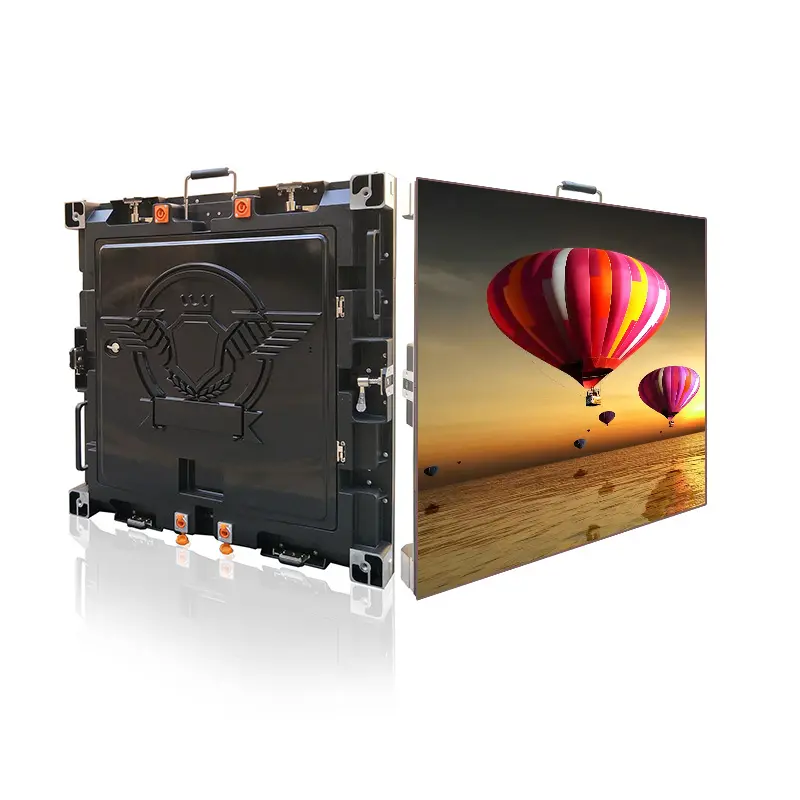
Rental LED displays typically make use of die-cast aluminum cabinets to reduce weight by 30%-40% compared to commercial screens, significantly cutting labor costs associated with handling and setup. Modular splicing technology ensures seamless assembly with splicing gaps controlled to within 0.1mm. Even after multiple disassemblies and reassemblies, image integrity remains intact, eliminating issues like “black borders” and “misalignment” that negatively affect visual quality. Additionally, our standard cabinet dimensions and quick-lock design enable teams of three or four people to set up a 100-square-meter screen within 2-3 hours, ideal for high-frequency venue changes such as exhibitions or music festivals requiring frequent equipment changeover. Thus, improving equipment turnover efficiency.
2. High protection level design to cope with complex outdoor environments.
Some high-end models come equipped with an intelligent temperature control system capable of operating over a temperature range from -20 to +50, ensuring stable operation under summer sun while adapting to low winter temperatures. The screen surface features a scratch-resistant coating with a hardness rating of >=4H to reduce the risk of scratches during transport and disassembly; in addition, its anti-electromagnetic interference design prevents interference from stage lighting or audio equipment for uninterrupted display at events.
3. Display parameters tailored specifically to meet professional visual requirements.
Rental LED display screens meet professional performance standards by meeting certain display parameters: A refresh rate of >=1920Hz ensures a flicker-free image suitable for fast-moving stage effects and sporting events, while their color gamut coverage of >90% NTSC ensures accurate color reproduction that meets the stringent visual quality requirements of brand events. Furthermore, its brightness adjustment function offers a range of 2000-6 000 nits to automatically adapt brightness levels depending on ambient light levels during daytime sunshine while minimising light pollution at night and ultimately enhance viewing experiences by improving viewing experiences and increasing viewing experiences overall.
4. Intelligent operations and maintenance designs reduce post-management costs.
This device comes equipped with an integrated controller boasting HDMI/SDI/DP interfaces for smooth switching of 4K signals and seamless input/output switching, and is compatible with mainstream playback devices to meet the signal access needs of various events. Built-in remote monitoring systems can monitor screen temperature, voltage, and module operating status in real time – automatically alarming and localizing any malfunctioning modules, providing for initial troubleshooting without on-site technical personnel being required. Additionally, the standardization of module design facilitates rapid replacement; repair time for an individual faulty module can typically be accomplished within 10 minutes, drastically reducing on-site troubleshooting costs and assuring smooth event progress.
II. Shortcomings and Risk Warnings of Rental LED Display Screens
Rental LED displays are designed for high-frequency, short-term rental situations; however, they may contain inherent performance defects that require careful monitoring by buyers to mitigate risks associated with them.
1. Brightness Dims Under Heavy Load Operation.
Rental equipment must withstand frequent power-on/power-off cycles and prolonged high-brightness operation (for instance, more than 10 hours per day outdoor use), leading the LED chips in this equipment to degrade more quickly than their fixed installation commercial screens counterparts. After approximately 8000 hours of cumulative operation (1-2 years of usage), conventional products’ brightness degradation rates can reach 15%-20%; lower-priced models with poor chip quality may even experience issues like uneven brightness levels and localized color shift, directly impacting customer satisfaction within rental business operations.
2. Plugging and unplugging an interface frequently can quickly lead to contact failure.
While modular splicing designs increase installation efficiency, repeated plugging and unplugging of power and signal interfaces between cabinets may result in loosening contacts that lead to partial screen blackouts or signal interruptions. This is particularly likely with products from smaller manufacturers who use ordinary interface materials without gold plating for corrosion prevention, resulting in faster wear-and-tear, increased repair/replacement costs, and greater equipment downtime.
3. Irregularly shaped screens offer limited versatility and have higher inventory idle rates.
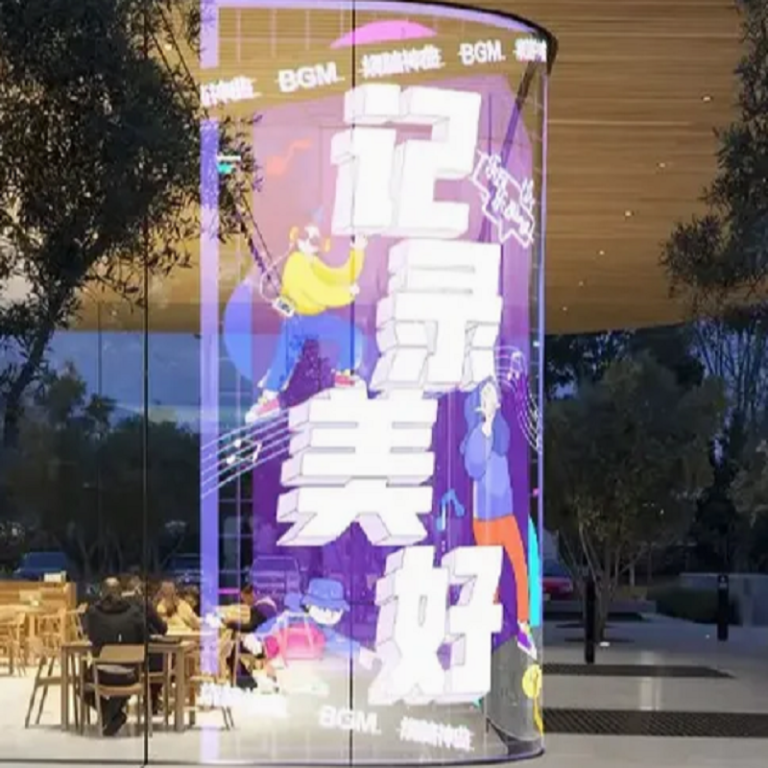
Curved, spherical, and wavy rental screens may meet the personalized needs of high-end events, yet their applicability is limited: idle rates exceed 60% during off-peak seasons. Furthermore, customized frames of irregularly shaped screens cannot be stored alongside standard ones due to incompatibilities with standard screens, increasing storage costs and inventory management complexity as a result. Calibrating irregularly shaped screens is more difficult than with standard ones, as repeated disassembly and reassembly may reduce accuracy, which affects display quality negatively.
4. High Brightness Increases Power Consumption
To meet the display requirements for outdoor high-light environments, rental LED displays typically consume 300-400W per square meter of power per square meter compared with indoor commercial screens; for long-term on-site projects (such as exhibitions lasting over one month) this can significantly impact profit margins; some low-priced products fail to feature energy-saving modes which further raise operating costs and diminishing its cost-effectiveness of renting equipment.
III. Core Recommendations for Buyers
Prioritize LED Chip Quality: Select products featuring top-brand LED chips such as Nationstar or Epistar, and require suppliers to provide brightness decay test reports that guarantee an average brightness decay rate of less than 10% within 5000 hours.
Focus on Interfaces and Structure: For optimal wear resistance and oxidation prevention, equipment with gold-plated interfaces should be selected for better wear resistance and prevention. Furthermore, take care in selecting models with sturdy splicing mechanisms and strong load-bearing capacity enclosures.
Reasonably Limit Irregularly Shaped Screens: For optimal equipment versatility, it is advised that irregularly shaped screens do not exceed 20% of your inventory purchase quantity. Flexible rental screens that can easily deform should take priority in terms of purchasing quantity.
Compare Energy-Saving Parameters: When selecting models, pay special attention to power consumption data and energy-saving modes. Give priority to models offering intelligent brightness adjustment and low power standby modes, as these will significantly lower long-term operating costs.
LED Rental Screen’s advantages and disadvantages result from their core positioning as high-frequency rentals with adaptable functionality to various scenarios. Buyers need to assess their own business circumstances and customer demands in balancing performance against cost investments while selecting reliable yet highly adaptable products to ensure sustainable development in the rental market.
Supplier of LED Rental Screens
Shenzhen Zhongxian Beixin Technology Co., Ltd. is a high-tech company that is located in Shenzhen, Guangdong Province, specializing in the research and development, production, marketing, and professional services of LED application products and providing various LED display integrated solutions for control rooms, commercial advertising, architectural industries, stadiums, churches, and many other applications.
If you need a high-quality LED display, please feel free to contact us. You can click on the product to contact us. (https://www.leyardleddisplay.com/contact-us/)
Exhibition Hall of Made-in-China.com: https://zxbx371.en.made-in-china.com/